160 PSI Was Quietly Destroying This Home's Plumbing
Most homeowners never think about their water pressure - until something starts leaking. That's exactly what was happening here. This home was running at 160 PSI, which is more than double what most plumbing systems are built to handle. The fixtures inside were paying the price.
High water pressure is one of those problems that sneaks up on you. It doesn't announce itself. It just quietly beats up your faucets, supply lines, and valves over time until things start failing. By the time you're calling for repairs, the damage has usually already been done for a while.
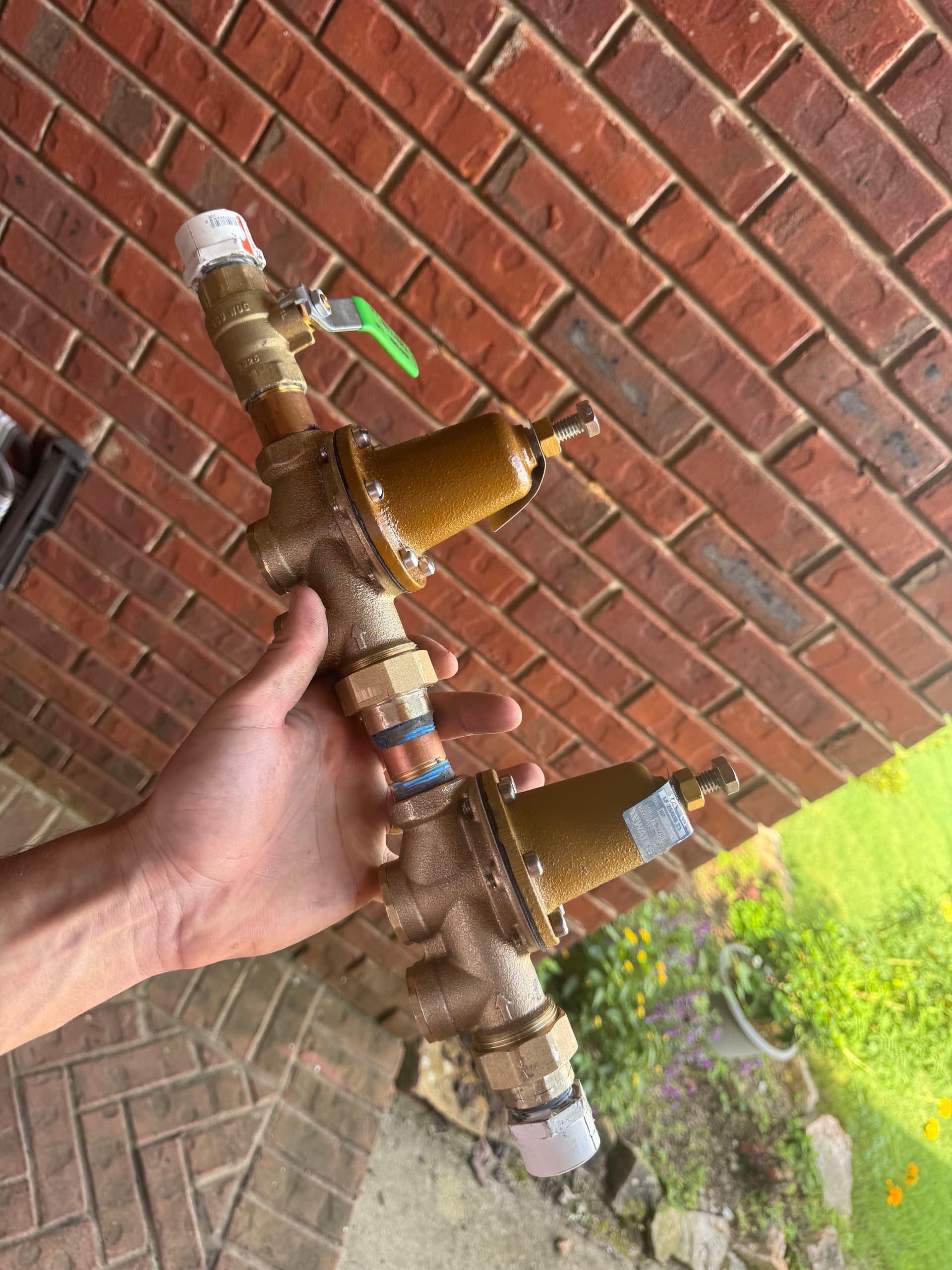
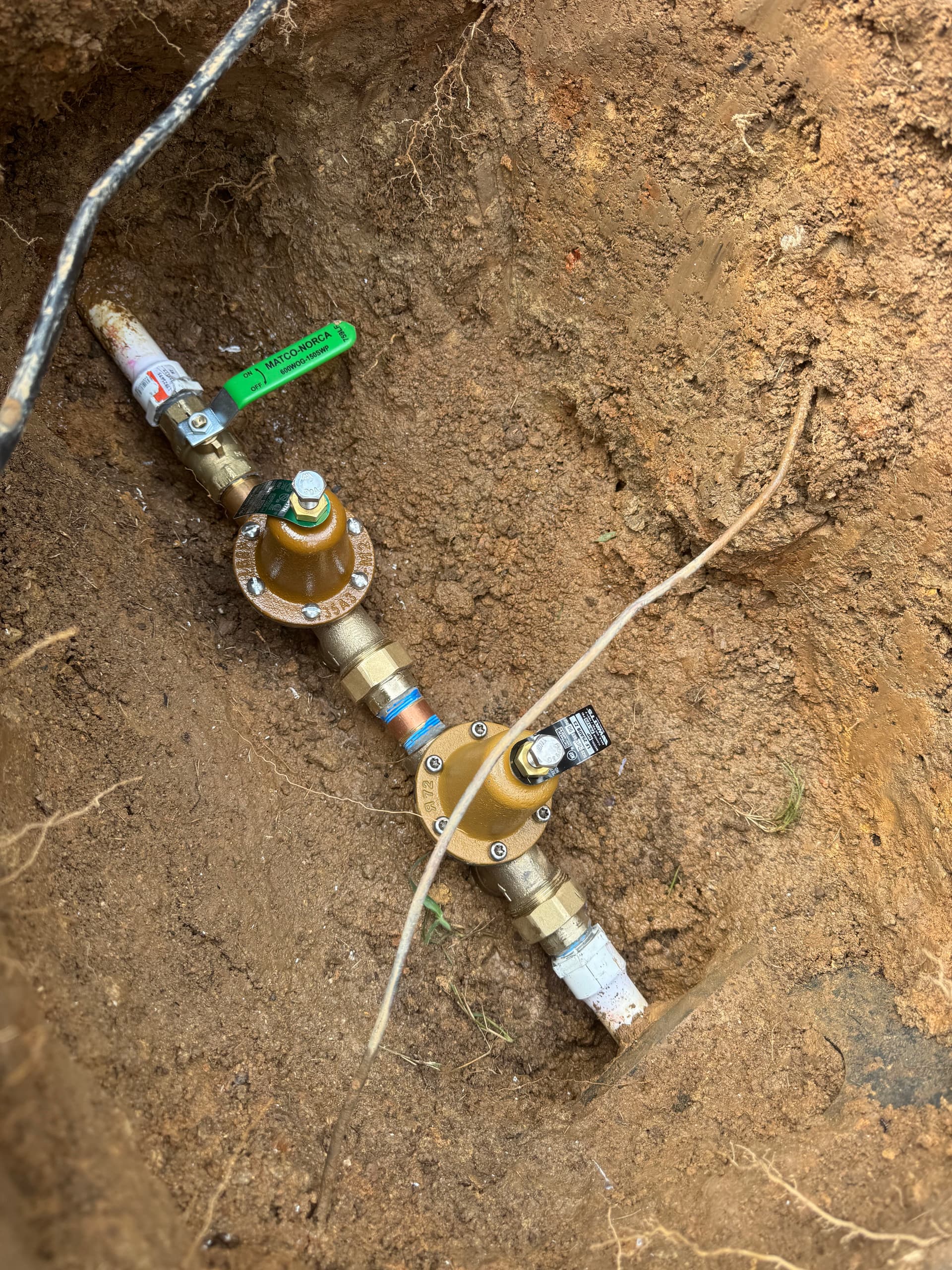
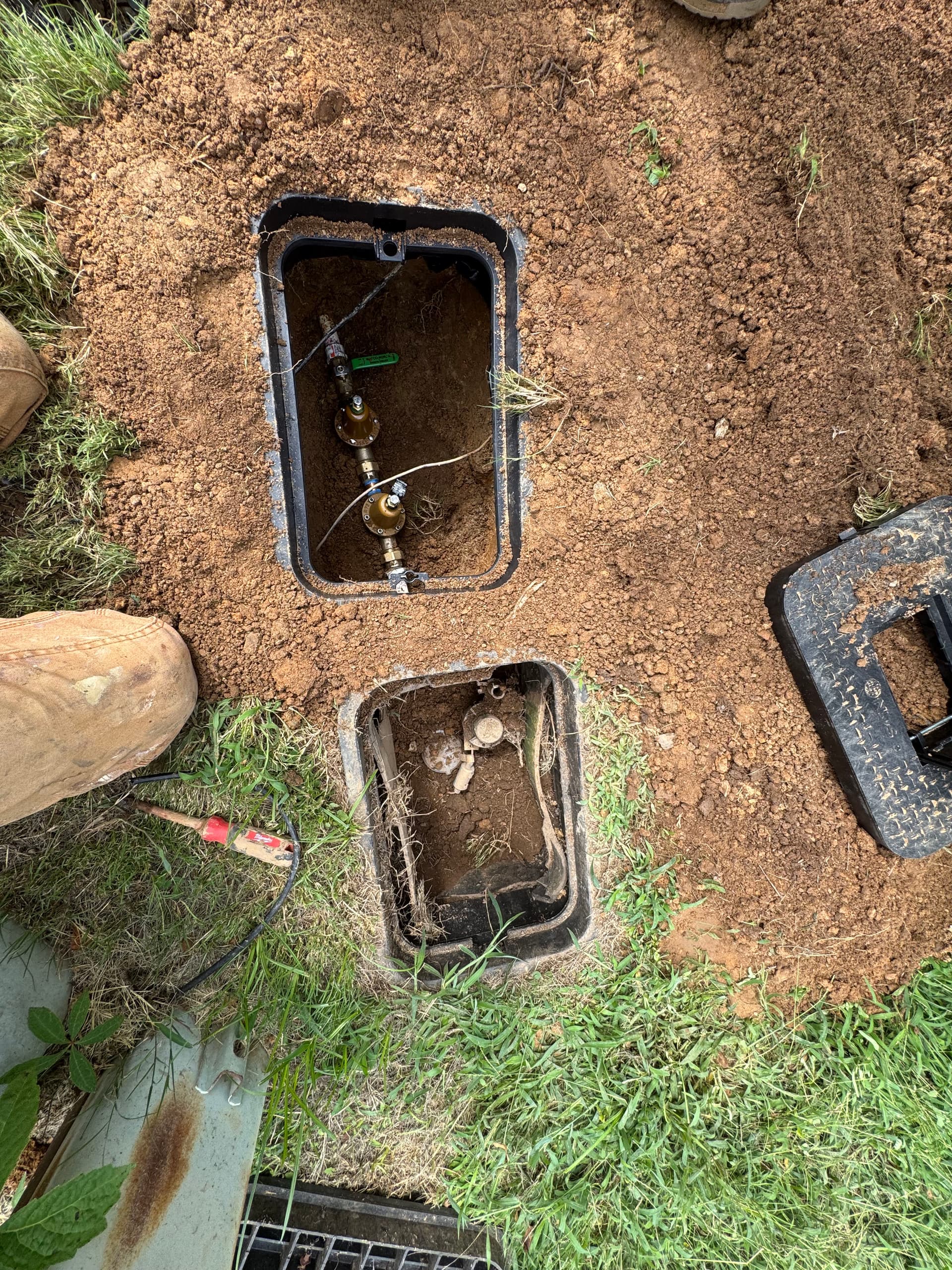
Here's what we did - we installed both a high-pressure reducing valve and a standard pressure reducing valve in line together. That two-valve setup gives the system a much more controlled, graduated reduction in pressure before the water ever reaches the pipes inside the home. Both valves are solid brass construction, installed in a dedicated underground access box so they're protected and easy to service down the road.
The difference this makes for the plumbing system is real. Faucets last longer. Supply lines don't blow. Water heaters and appliances that are sensitive to pressure aren't getting hammered every time someone turns on a tap. It's one of those pipe installation jobs that you don't see the results of immediately - but you absolutely feel it over time in fewer repairs and less money spent.
If you've been dealing with recurring leaks at fixtures, running through faucet cartridges faster than you should, or you just don't know what your home's pressure is running at - it's worth getting it checked. A simple pressure test can tell you a lot about what's going on inside your plumbing system.